With flashlights and pencils in hand, campers will explore species like bats, owls, coyotes, raccoons, and more. Along the way, campers will study nightlife, meet a live nocturnal animal, and hear from Museum wildlife biologists!
With flashlights and pencils in hand, campers will explore species like bats, owls, coyotes, raccoons, and more. Along the way, campers will study nightlife, meet a live nocturnal animal, and hear from Museum wildlife biologists!
With flashlights and pencils in hand, campers will explore species like bats, owls, coyotes, raccoons, and more. Along the way, campers will study nightlife, meet a live nocturnal animal, and hear from Museum wildlife biologists!
With flashlights and pencils in hand, campers will explore species like bats, owls, coyotes, raccoons, and more. Along the way, campers will study nightlife, meet a live nocturnal animal, and hear from Museum wildlife biologists!
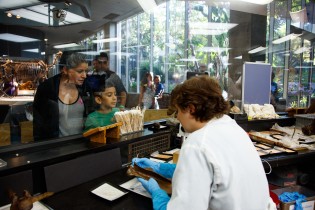
Asphalt is dirty business, but scientists at the La Brea Tar Pits and Museum have spent over 100 years learning how to excavate, clean and conserve the multitude of fossil specimens plucked from the tar at Hancock Park.
Join Dr. Jorge Velez-Juarbe as he explores the migration of vertebrate fauna to the Caribbean Islands and the effects of climate change on his field work.
A new study used museum collections to map ammonite diversity around the globe before their total extinction and found they were not in decline prior to their extinction alongside non-avian dinosaurs 66 million years ago
A new study quantifies the impact of the world’s great fossil sites on our understanding of evolutionary relationships between fossil groups and discovers the key to understanding lizard evolutionary history in the Gobi Desert.
Paleoecologists, paleontologists, and geologists — including many from NHM’s Dinosaur Institute — found that significant loss of animal life in terrestrial ecosystems more easily leads to collapse than in marine ecosystems, and those ensuing collapses last much longer on land.
Diverse Fossils From Iconic Site Tell Story of how Saber-Toothed Cats, Dire Wolves, and Other Megafauna That Once Roamed the Los Angeles Basin Disappeared